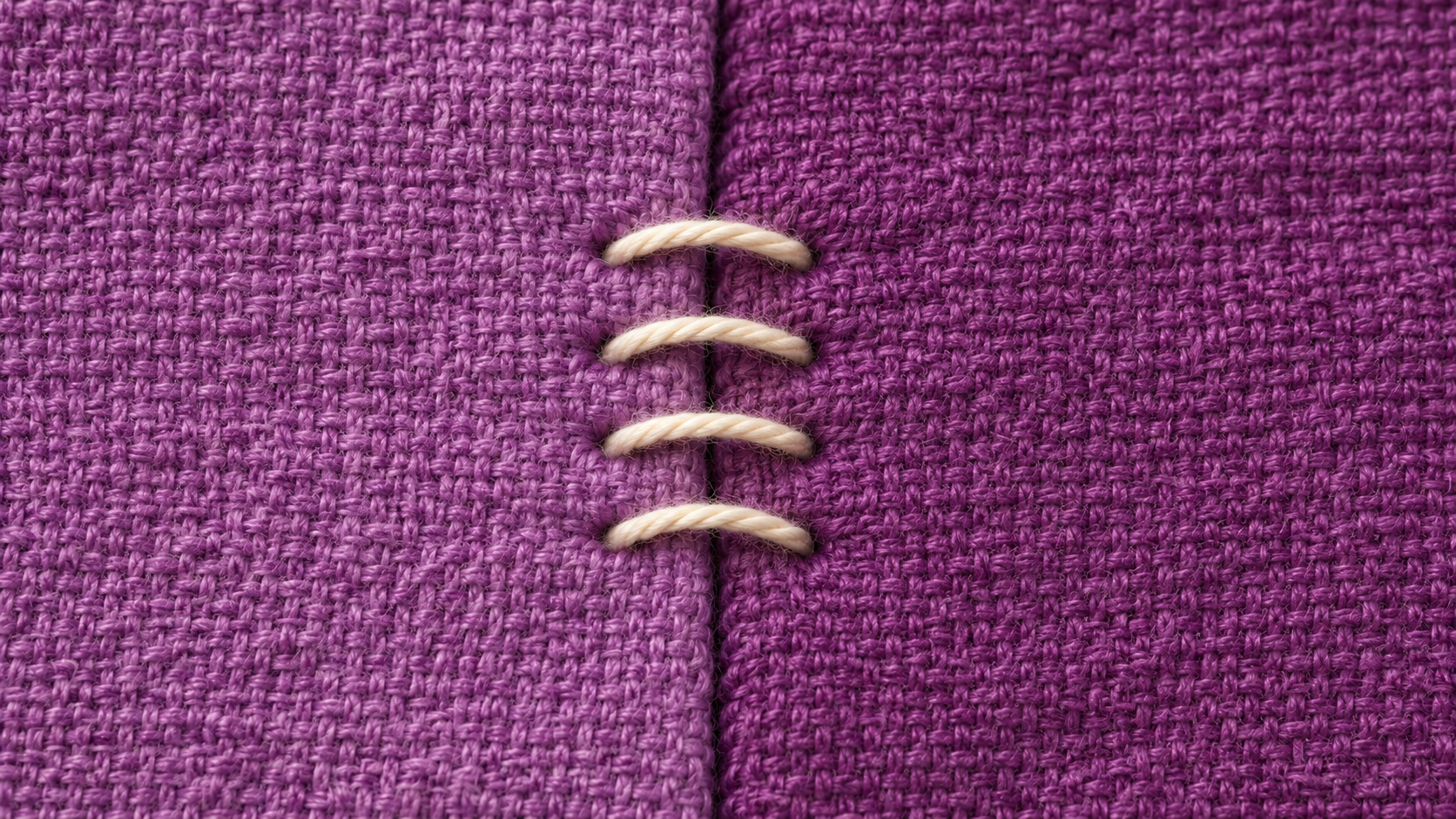


In primary intention, the wound edges are brought together at the time of initial closure. In secondary intention, the wound stays open as new tissue fills the gap and skin grows over the surface. In tertiary intention, the wound is left open initially and closed later. An open wound can fit either of the last two paths. Check the operative note or wound care plan to learn which one the team intends. Open RN Nursing Skills wound care chapter
Wound healing intentions at a glance
| Intention | What happens to the edges? |
|---|---|
| Primary | Closed from the start. |
| Secondary | Open while the wound fills in and heals. |
| Tertiary | Left open first, then closed later. |
Primary intention means the edges start together
A chart may describe the edges of a closed incision as approximated, meaning they meet. Sutures, staples, or skin adhesive can hold them together as tissue repairs beneath the surface. In a simulation, a note that says “closed with staples in the operating room” tells you how the wound was managed. The next assessment tells you whether the edges are still together and how findings such as drainage and pain have changed. Open RN Nursing Skills wound care chapter
Secondary intention means the wound heals while open
Think about what has to happen in the space between the edges. Granulation tissue, the new connective tissue that forms in the wound bed, fills that space from the base. The wound can also contract as it heals, and new surface skin grows over the healing area. When the wound bed is visible during an authorized assessment, describe the tissue you see and compare the findings with the prior assessment. An intentionally open surgical wound and a surgical wound that has separated can both go on to heal by secondary intention under a documented care plan. Open RN Nursing Skills wound care chapter · Prospective study of surgical wounds healing by secondary intention
Tertiary intention means closure is delayed
You may hear this called delayed primary closure. For example, a surgical team may leave a contaminated incision open initially, then reassess it before deciding whether to bring the edges together. A photo taken while the wound is open could look similar to a wound healing by secondary intention. The difference is in the plan and the later closure. If the record says only “open,” clarify the plan before handing off an expected closure. Open RN Nursing Skills wound care chapter
When an incision that was closed starts to open
Dehiscence is separation of a surgical incision. A newly visible gap where edges previously met is a change from baseline and warrants prompt reporting through your clinical site's escalation process. Describe the location, what separated, when you saw it, and any change in drainage or pain. Worsening pain or redness, cloudy drainage, and fever also deserve prompt attention as possible signs of surgical site infection. The assessment and the team's subsequent wound care plan are separate pieces of information to pass along. Open RN Nursing Skills wound care chapter · CDC post-surgery guidance
Three examples to practice a nursing handoff
- Closed from the start. The operative note says the incision was closed with staples, and today's assessment shows the edges still meet. A handoff might say, “Stapled incision with edges together on this assessment.” This fits primary intention.
- Open throughout healing. The wound plan says it will heal without a future closure, and today's assessment documents granulation tissue in the visible wound bed. A handoff might say, “Wound remains open per plan, with granulation tissue visible.” This fits secondary intention.
- Open at first, then closed. The operative note documents a wound left open initially, and a later note documents the team's closure. A handoff might say, “Initially left open. Surgical team completed delayed closure yesterday. The edges are together on today's assessment.” This fits tertiary intention.
For wound documentation, include the site and time, edge appearance, visible wound-bed tissue when assessed, surrounding skin, drainage, and reported pain. Say what changed, how it compares with the expected course, and whom you notified if you escalated a concern. If the next step is unclear, check the wound plan with your supervising nurse. Open RN wound assessment guidance
To practice putting those observations in order, use GoodNurse's SBAR report guide. The same habit of carrying missing information forward applies to GoodNurse's intake and output handoff example.
AI assisted in writing this article. The cover illustration is AI-generated.


