Medical-Surgical Nursing Videos
Browse videos in the Medical-Surgical Nursing category.
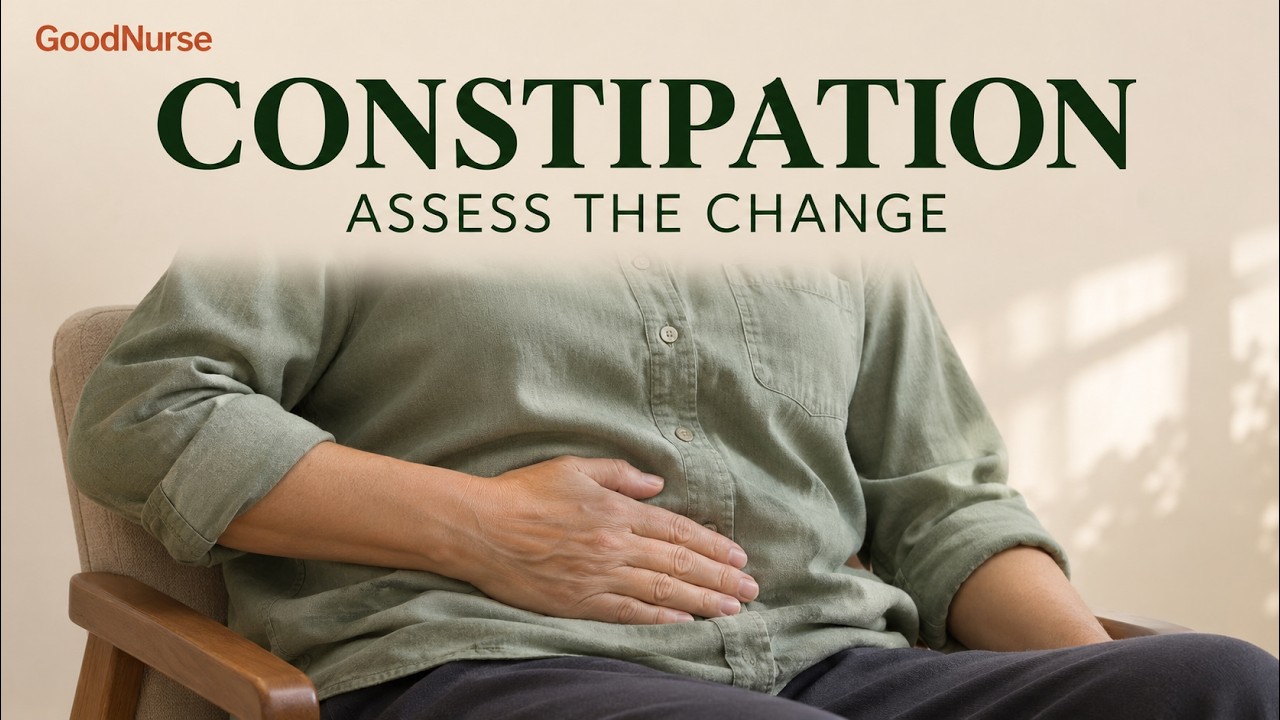
Adult Constipation: Bowel History, Support and Prompt Reporting
Compare an adult’s usual bowel pattern with changes in stool texture, passage and associated symptoms. Practice a respectful bowel history, identify possible contributing factors and recognize when concerning changes need prompt RN/qualified-team assessment. Review individualized toileting, diet, fluid and mobility support within current orders and supervised student scope, then apply the priorities in a fictional practice case. Symptoms alone do not establish the cause, and a chart entry does not replace reassessment.

Pediatric Oncology: Fever, New Illness and Prompt Escalation
Recognize fever or new concerning illness during pediatric cancer treatment and obtain immediate RN/oncology assessment without waiting for a repeat temperature or blood count. Connect neutrophil function with infection risk, practice a factual handoff, distinguish urgent assessment from an emergency response, and use respectful teach-back about the child's individualized day-and-night care plan. Supervised student scope; no independent diagnosis or treatment.
Peripheral IV Site Changes: Recognition, Reporting and Reassessment
Recognize new pain, swelling, leakage or altered sensation at a peripheral IV site. Compare vein inflammation with leakage into tissue, while understanding why one sign or a photograph cannot establish a diagnosis. Work through a fictional adult case. Practice immediate RN escalation and stopping a suspect infusion within assigned training and local policy, a concise factual report, respectful explanations and team-directed reassessment. Learn why flushing a suspect line, reflex removal and a universal warm/cold remedy can be inappropriate. This overview supports supervised nursing study; device procedures and treatment follow qualified assessment and local protocols.

Pediatric Dehydration: Notice Change, Assess and Escalate
Follow a fictional four-year-old case with vomiting, diarrhea, reduced drinking and less urine. Combine caregiver observations with current responsiveness, breathing, circulation, reliable weight trends and the supervising RN’s assessment. Contrast initial findings with urgent deterioration, practice a focused report, and use caregiver teach-back. Follow your assigned role, supervision, orders and local pediatric escalation procedures.

Furosemide and Spironolactone: Compare Monitoring Cues
Follow a fictional adult case involving new dizziness while furosemide and spironolactone are prescribed. Compare potassium risks and connect symptoms with current blood pressure, fluid balance, weight, renal function and ordered laboratory results. Practice a concise report to the supervising RN and teach-back about the individual medication, supplement and salt-substitute plan. Follow your assigned role, supervision, orders and facility protocols.

Urinary Catheter Care: Keep the System Closed and Flowing
An adult with an indwelling urinary catheter feels discomfort and notices less drainage after moving to a chair. Use this fictional case to check bag position and external tubing, distinguish a kink from a compromised connection, reassess the patient and give a focused report to the supervising nurse. Practice plain-language teach-back and follow your assigned role, supervision and facility protocols.

Sickle Cell Disease: Recognize and Report New Chest Symptoms
Practice recognizing a meaningful change during an adult sickle cell pain admission. A fictional case connects new chest discomfort and difficulty breathing with prompt escalation, focused observations and an objective bedside report. Support respectful, individualized pain care while following the supervising nurse, clinical team, orders and local protocols.

Adult Shock: Recognize Poor Perfusion and Escalate
Compare hypovolemic, cardiogenic, obstructive and distributive shock. In a fictional adult case, practice recognizing a concerning change in perfusion, calling for immediate help and giving a focused SBAR. The lesson connects bedside assessment to action within supervised nursing-student scope and your facility’s escalation pathway.
Pressure Injury Prevention: Risk, Skin Changes and Reassessment
Connect pressure-injury risk with an individualized prevention plan in supervised adult nursing care. Practise noticing and reporting changes in skin and tissue across skin tones, supporting safe pressure relief and gentle skin care, and reassessing the patient’s response. A fictional heel-soreness scenario illustrates why intact skin, a risk score or a recorded turn is not an all-clear. Follow the established plan, trained assistance, supervising RN and local protocols. This overview does not teach wound staging or a positioning procedure.
Adult NG Decompression: Assessment, Monitoring and Reporting
Learn how to monitor an adult patient with an NG tube for ordered gastric decompression. Connect patient symptoms, the documented tube plan and drainage trends; recognise placement concerns and deterioration; and practise a factual report to the RN. Includes comfort measures and a bedside scenario, with student supervision, orders and local protocols kept explicit.

Adult Osteoarthritis: Pain, Function and Supported Activity
Connect established adult knee osteoarthritis with assessed pain, stiffness and meaningful daily function. Practice using PAIN / FUNCTION / CHANGE to compare current symptoms with baseline, support the individualized clinician/PT plan alongside the supervising RN, and communicate observations and response. Work through a fictional daily-activity goal, respectful teach-back and a changed-symptom scenario. Recognize a newly hot swollen joint, sudden severe pain or major loss of movement as concerns needing prompt assessment rather than an assumed OA flare; fever may be absent. Follow current local pathways, orders, assistance and RN/preceptor guidance. This original study organizer is not a validated or complete clinical protocol, exercise prescription or competency assessment.

Choosing PPE for the Task and Anticipated Exposure
Practice connecting a planned adult-care task with anticipated exposure of the hands, skin/clothing and eyes, nose and mouth. Use TASK / EXPOSURE / PLAN to explain appropriate PPE, hand hygiene and equipment needs while preserving required Transmission-Based Precautions and current facility policies. Compare two qualified fictional scenarios, work through a soiled-to-clean-task practice question, and rehearse a respectful patient explanation and supervised plan. Follow RN/preceptor guidance and local training. This study organizer is not a validated clinical protocol or a substitute for procedural and PPE competency assessment.